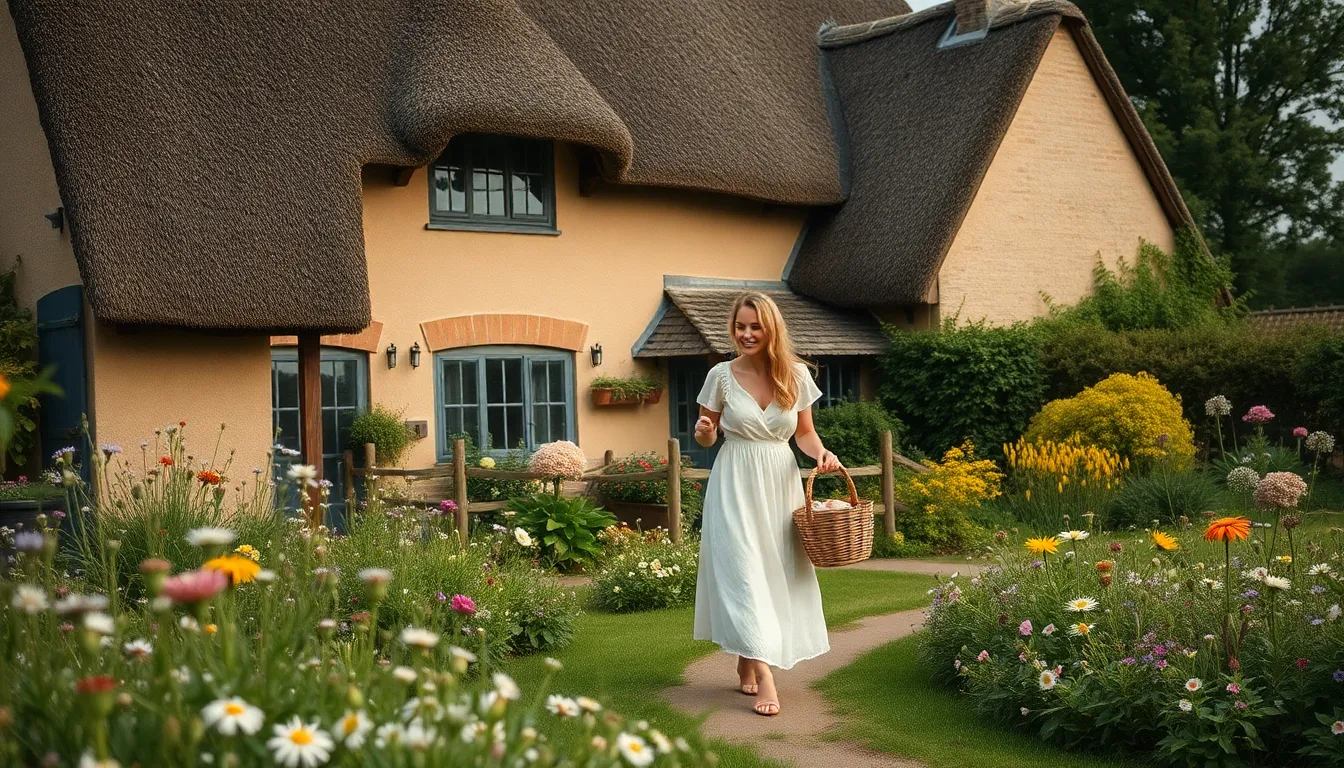
Cottagecore means romanticizing rural life, natural beauty, and the slower pace of living connected to the land. It’s an aesthetic and lifestyle movement that emerged online in the late 2010s, celebrating everything from linen dresses and homemade bread to wildflower meadows and well-worn books.
But it’s more than just pretty pictures on Pinterest. Cottagecore represents a longing for simplicity, authenticity, and a gentler way of life—especially for those of us navigating the chaos of modern existence.
Cottagecore Meaning: A Simple Definition
Cottagecore (also spelled cottage core) is an aesthetic and lifestyle trend that idealizes rural, pastoral living. It embraces:
- Natural materials and vintage style
- Domestic activities like baking, gardening, and crafting
- A connection to nature and the changing seasons
- Slow living, simplicity, and mindfulness
- A nostalgic, romanticized vision of countryside life
The name combines “cottage” (evoking a small, cozy home in the countryside) with “-core” (a suffix borrowed from music subcultures like “normcore” and “hardcore” to denote an aesthetic or lifestyle).
The History of Cottagecore
Origins
The term “cottagecore” was coined on Tumblr around 2018, though the aesthetic draws from much older influences. It gained mainstream attention during the COVID-19 pandemic, when many people found comfort in its escapist vision of a simpler, quieter life.
Cultural Influences
Cottagecore isn’t new—it’s a modern expression of themes that have existed for centuries:
- Pastoral poetry and Romanticism (18th-19th centuries) — Writers like Wordsworth and Keats romanticized nature and rural life
- The Arts and Crafts Movement (late 1800s) — A reaction against industrialization, celebrating handmade goods and traditional crafts
- English countryside novels — Authors like Beatrix Potter, the Brontë sisters, and Jane Austen
- 1970s back-to-the-land movement — A countercultural embrace of self-sufficiency and rural living
- Vintage fashion revival — Prairie dresses, aprons, and natural fabrics from various eras
Key Elements of the Cottagecore Aesthetic
1. Fashion
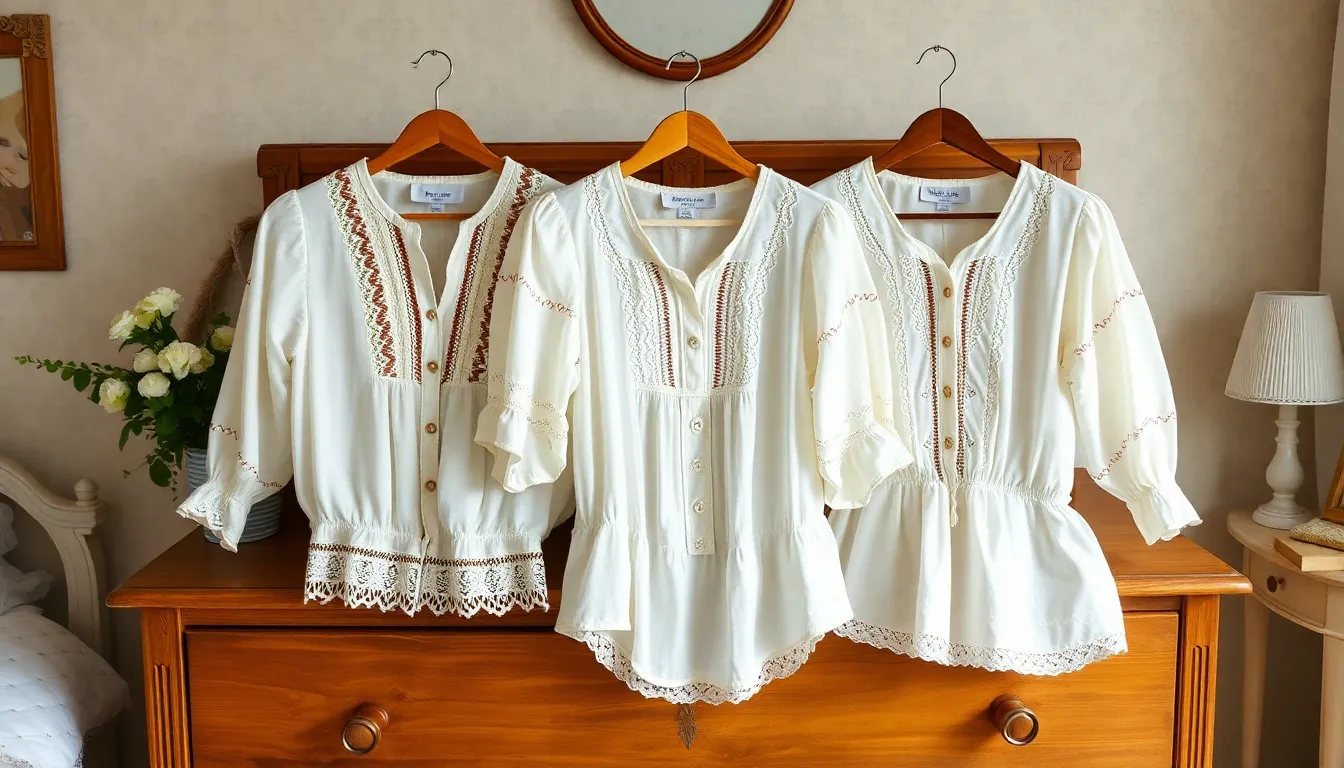
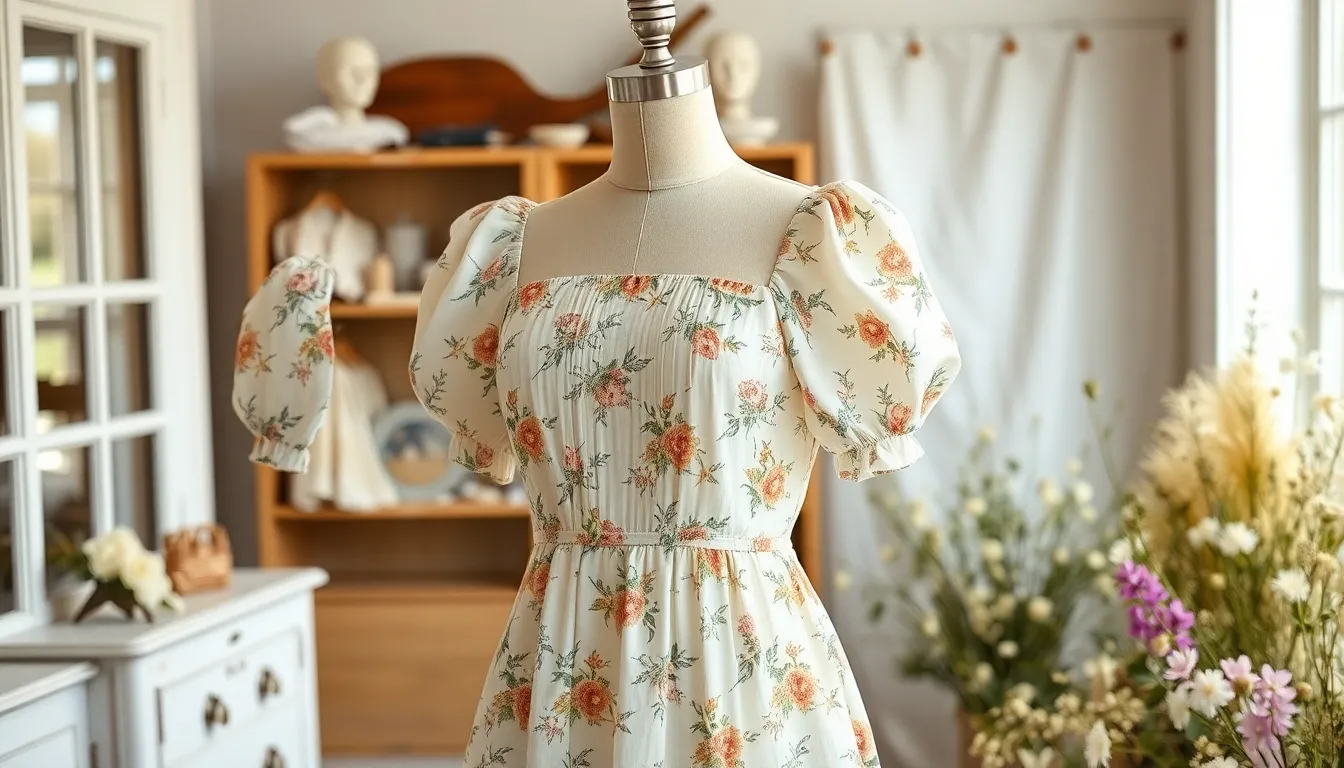
Cottagecore fashion is soft, romantic, and timeless. Think:
- Flowing linen and cotton dresses
- Puff sleeves and delicate embroidery
- Aprons, cardigans, and vintage-inspired pieces
- Muted earth tones and floral prints
- Natural fabrics over synthetics
2. Home & Interior Design
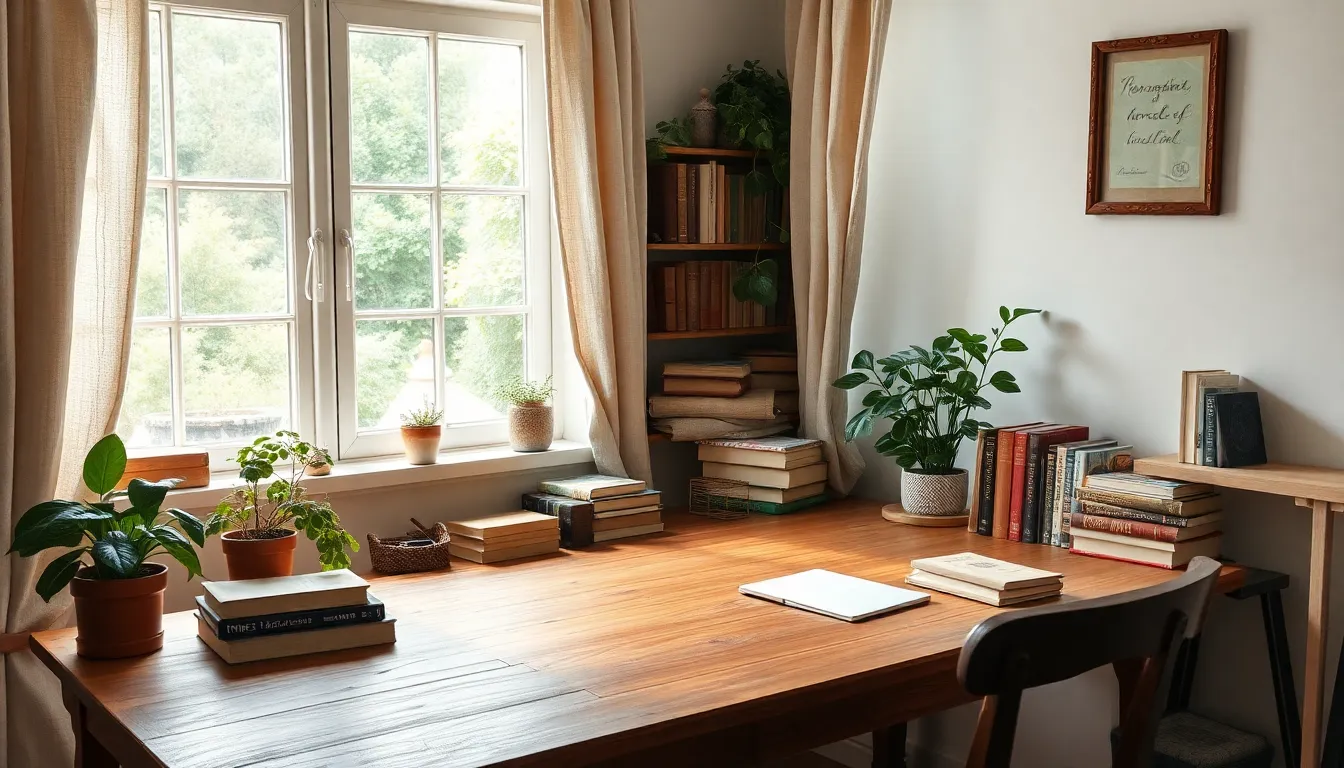
A cottagecore home feels warm, lived-in, and connected to nature:
- Vintage furniture and secondhand finds
- Natural materials: wood, linen, ceramic, stone
- Open shelving filled with books and plants
- Soft, warm lighting from candles and warm bulbs
- Floral patterns, quilts, and cozy textiles
3. Activities & Lifestyle
Cottagecore is about doing things with your hands and taking time to savor the process:
- Baking bread from scratch
- Gardening and foraging
- Pressing flowers and crafting
- Reading by candlelight
- Writing letters by hand
- Sewing and mending clothes
- Walking in nature
4. Values
At its heart, cottagecore is about:
- Simplicity: Choosing less, choosing better
- Connection to nature: Spending time outdoors, respecting the seasons
- Mindfulness: Slowing down and being present
- Sustainability: Secondhand shopping, natural materials, reducing waste
- Creativity: Making things by hand, expressing yourself through craft
Cottagecore Sub-Aesthetics
Cottagecore has spawned several related aesthetics, each with its own flavor:
Fairycore
More magical and whimsical. Think forest walks, mushrooms, pressed flowers, and ethereal fashion. Read our full fairycore guide.
Coquette
Romantic and feminine with vintage charm. Bows, lace, soft pinks, and delicate details. Explore coquette style here.
Dark Cottagecore
A moodier take with earthy, muted tones. Autumn leaves, candlelight, gothic literature, and cozy mystery vibes.
Grandmacore
Nostalgic and comforting. Knitting, tea time, floral china, and the aesthetic of your grandmother’s cozy home.
Why Cottagecore Became So Popular
The Pandemic Effect
Cottagecore exploded during COVID-19 lockdowns. With nowhere to go, people turned to baking bread, tending houseplants, and creating cozy spaces at home. The aesthetic offered comfort and escapism during an uncertain time.
Burnout Culture
Many people feel exhausted by hustle culture, constant connectivity, and the pressure to do more, faster. Cottagecore offers an antidote: permission to slow down, embrace simplicity, and find joy in small, everyday rituals.
Social Media & Escapism
Platforms like TikTok, Instagram, and Pinterest amplified cottagecore’s visual appeal. It’s aspirational without being unattainable—you don’t need a cottage in the countryside to embrace the values of the aesthetic.
Criticisms of Cottagecore
Like any aesthetic movement, cottagecore isn’t without its critiques:
Romanticizing the Past
Some argue that cottagecore presents an overly idealized, selective view of rural life—one that ignores the hard labor, isolation, and lack of modern conveniences that historically came with it.
Accessibility
While the aesthetic celebrates simplicity, some cottagecore content features expensive handmade goods, pristine countryside homes, and leisure time that not everyone can afford.
Lack of Diversity
Early cottagecore imagery was predominantly white and Eurocentric. There’s been growing conversation about making the aesthetic more inclusive and recognizing diverse rural traditions.
Our take: Cottagecore is what you make it. You don’t need a farmhouse or a big budget. It’s about values—slowing down, appreciating nature, choosing quality over quantity—that anyone can embrace in their own way.
How to Live More Cottagecore
Start Small
- Light a candle instead of turning on overhead lights
- Swap one synthetic item for a natural alternative (linen hand towel, wooden spoon)
- Try one slow activity: bake something from scratch, press a flower, handwrite a letter
Bring Nature Inside
- Add houseplants to your space
- Display seasonal branches, wildflowers, or foraged finds
- Open your windows and let in natural light and fresh air
Choose Quality Over Quantity
- Invest in a few well-made pieces instead of fast fashion
- Shop secondhand for vintage treasures
- Learn to mend and care for what you already own
Slow Down
- Set aside phone-free time each day
- Cook a meal from scratch instead of ordering takeout
- Take walks without a destination
FAQs
Is cottagecore real or just an aesthetic?
It’s both. Cottagecore started as an online aesthetic, but for many, it’s evolved into a genuine lifestyle shift—prioritizing slow living, natural materials, and connection to nature.
Do I need to live in the countryside to be cottagecore?
Not at all. You can embrace cottagecore values anywhere—an apartment in the city, a suburban home, or a rural farmhouse. It’s about mindset and choices, not location.
Is cottagecore expensive?
It can be, but it doesn’t have to be. Thrift stores, secondhand shops, and DIY projects are core to the aesthetic. Many cottagecore activities (walking in nature, baking, reading) are free or low-cost.
Is cottagecore just for women?
No. While cottagecore imagery often features feminine fashion, the aesthetic and its values are for everyone. Check out our Cottagecore for Men guide for masculine takes on the style.
Ready to dive deeper? Explore our guides on Cottagecore Fashion, Home Design, and Slow Living.
Disclosure: Some links in this article are affiliate links. Read our full affiliate disclosure.