A cottagecore garden is more than just plants—it’s a living extension of your home, a sanctuary where nature and nurture intertwine. Whether you have acres of land or just a windowsill, you can create a garden that embodies the romantic, overgrown, abundant spirit of the aesthetic.
This guide covers everything from what to plant to how to style your outdoor space for maximum cottagecore charm.
The Cottagecore Garden Philosophy
Unlike manicured formal gardens, cottagecore gardens embrace:
- Abundance over minimalism: Full, overflowing beds
- Function with beauty: Herbs and vegetables alongside flowers
- Natural flow: Organic shapes, not rigid geometry
- Wildlife welcome: Bees, butterflies, birds
- Seasonal change: Beauty in every phase of growth
- Imperfection: A few weeds add charm
What to Plant: Flowers
Roses
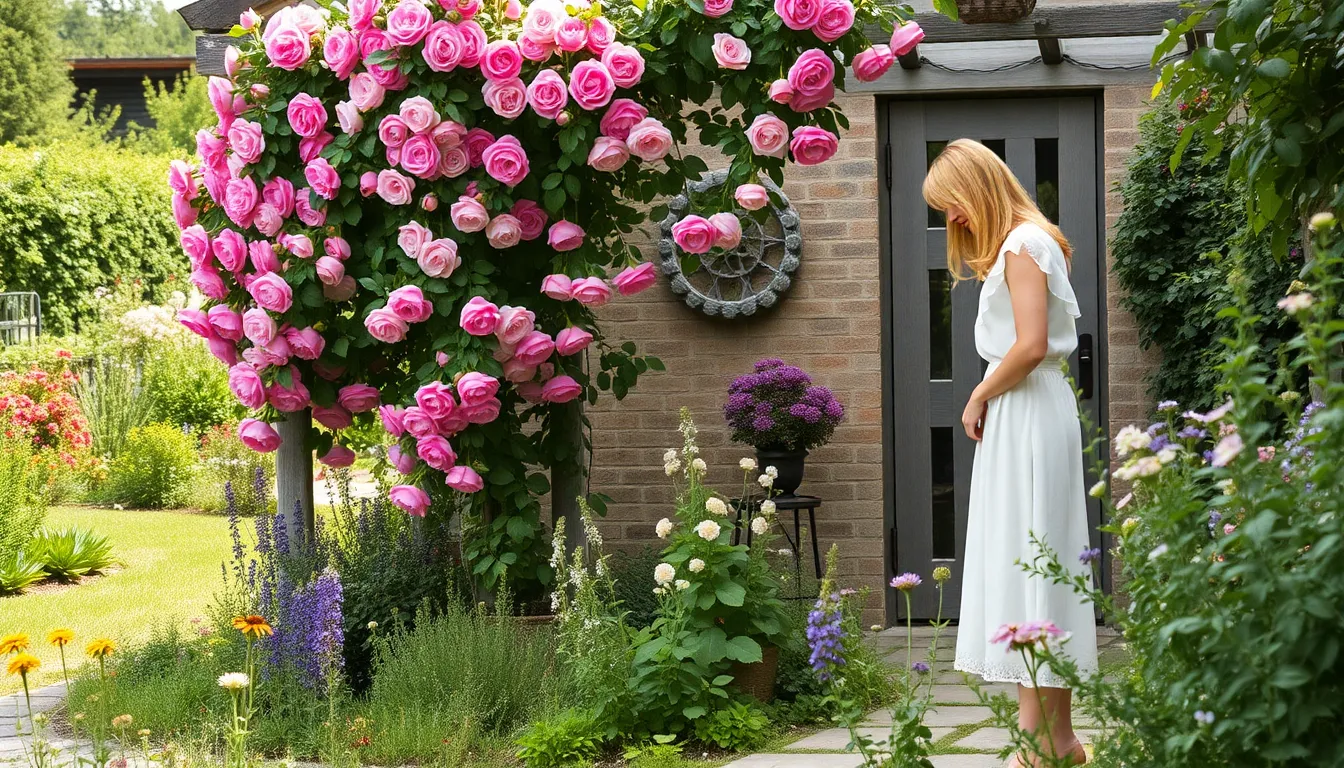
The quintessential cottage flower. Choose climbing roses for arbors and walls, shrub roses for beds, or heritage varieties for authentic charm. David Austin English roses are particularly cottagecore with their full, fragrant blooms.
Best varieties: Gertrude Jekyll, Olivia Rose Austin, William Shakespeare
Peonies
Lush, romantic, and breathtaking in spring. Peonies come in white, pink, and deep burgundy. They’re perennial, returning bigger each year.
Care tip: Support heavy blooms with peony rings to prevent drooping.
Hollyhocks
Tall, dramatic flowers that self-seed prolifically. Perfect against fences, walls, or at the back of beds. Come in nearly every color.
Foxglove
Tall spires of bell-shaped flowers in purple, pink, white, and yellow. Beloved by bees. Note: toxic if ingested, so avoid if you have curious pets or children.
Sweet Peas
Climbing flowers with intoxicating fragrance. Grow on trellises, fences, or teepees. Cut frequently to encourage more blooms.
Daisies & Black-Eyed Susans
Cheerful, low-maintenance, and perfect for that wildflower meadow look. Shasta daisies and rudbeckia are reliable choices.
Wildflower Mix
Scatter wildflower seeds in a corner for an effortless meadow effect. Look for regional mixes suited to your climate.
More Cottagecore Flowers
- Lavender (fragrant, bee-friendly)
- Delphiniums (tall, dramatic blues)
- Cosmos (delicate, abundant)
- Snapdragons (colorful, cottage classic)
- Zinnias (easy, cutting garden favorite)
- Sunflowers (cheerful, tall)
- Poppies (delicate, self-seeding)
- Lily of the Valley (fragrant, shade-tolerant)
What to Plant: Herbs
An herb garden is both beautiful and functional—the heart of cottagecore practicality.
Essential Culinary Herbs
- Rosemary: Woody, fragrant, nearly indestructible. Beautiful silvery-green foliage.
- Thyme: Low-growing, great for borders or between stepping stones.
- Sage: Soft, silvery leaves with purple flowers. Drought-tolerant.
- Mint: Vigorous grower—contain in pots or it will take over.
- Basil: Annual, needs warmth. Plant after last frost.
- Parsley: Biennial with beautiful curly or flat leaves.
- Chives: Onion family with pretty purple flower puffs.
- Dill: Feathery foliage, attracts beneficial insects.
Tea & Medicinal Herbs
- Chamomile: Daisy-like flowers for calming tea
- Lavender: Culinary, aromatic, and medicinal
- Lemon balm: Citrus-scented leaves for tea
- Echinacea: Beautiful purple coneflowers with immune benefits
- Calendula: Edible flowers, skin-healing properties
What to Plant: Vegetables
A cottagecore garden blurs the line between ornamental and edible.
Beautiful & Edible
- Tomatoes: Heirloom varieties in rainbow colors—Cherokee Purple, Brandywine, Green Zebra
- Runner beans: Red flowers, climbing habit, edible beans
- Peas: Climbing vines with delicate tendrils and sweet pods
- Lettuce: Red and green varieties create a colorful patchwork
- Swiss chard: Rainbow stems—pink, yellow, orange—in one plant
- Kale: Textural leaves, especially ornamental varieties
- Squash & pumpkins: Sprawling vines, dramatic fruits
- Carrots: Feathery tops, harvest rainbow varieties
- Artichokes: Dramatic silvery foliage, architectural thistle flowers
Fruit
- Strawberries: Ground cover with white flowers and red fruit
- Raspberries & blackberries: Brambles for a wild garden feel
- Apple or pear trees: Espaliered against walls or free-standing
- Currants & gooseberries: Old-fashioned fruits, easy to grow
Garden Structures & Elements
Paths
- Gravel or pea stone for that crunching footstep sound
- Stepping stones through planted beds
- Brick in herringbone pattern
- Grass paths between beds
Supports & Structures
- Wooden trellises: For climbing roses, sweet peas, beans
- Arbors and arches: Draped with climbing plants
- Obelisks: Vertical interest, support for climbers
- Willow teepees: Natural support for beans and peas
- Picket fencing: Classic cottage boundary
Garden Furniture
- Wooden bench, weathered and mossy
- Wrought iron bistro set
- Adirondack chairs in white or natural
- Tree stump seating
Decorative Elements
- Bird bath: Stone or vintage concrete
- Bird houses & feeders: Attract songbirds
- Vintage watering can: Galvanized or copper
- Woven harvesting baskets: Beautiful and functional
- Terra cotta pots: Aged and moss-covered is ideal
- Garden statuary: Rabbits, birds, classical figures
- Stone or slate plant markers: Hand-painted or carved
Container Gardening
No yard? No problem. Cottagecore container gardening works on balconies, patios, and windowsills.
Best Containers
- Terra cotta pots (classic, breathable)
- Wooden crates and boxes
- Galvanized buckets and tubs
- Vintage enamelware
- Woven baskets (lined with plastic)
What Grows Well in Containers
- All herbs (especially mint, which should be contained anyway)
- Cherry tomatoes
- Lettuce and salad greens
- Strawberries
- Compact flowers: petunias, calibrachoa, lobelia
- Trailing plants: ivy, sweet potato vine
Windowsill Garden
A sunny windowsill can host a mini herb garden. Plant rosemary, thyme, basil, and mint in a window box or individual pots. The kitchen windowsill is ideal for culinary herbs.
Attracting Wildlife
A cottagecore garden welcomes nature:
Bees & Pollinators
- Plant bee-friendly flowers: lavender, salvia, sunflowers, cosmos
- Avoid pesticides
- Provide water sources (shallow dish with pebbles)
- Leave some bare soil for ground-nesting bees
Butterflies
- Plant host plants: milkweed for monarchs, parsley for swallowtails
- Include nectar flowers: coneflower, lantana, butterfly bush
- Create sunny, sheltered spots
Birds
- Install bird feeders and houses
- Plant berry-producing shrubs
- Keep a bird bath clean and filled
- Leave seed heads on flowers in winter
Seasonal Care
Spring
Clean up winter debris, divide perennials, plant annuals after last frost, start seeds indoors.
Summer
Water consistently, deadhead flowers, harvest vegetables, mulch to retain moisture.
Fall
Plant spring bulbs, clean up spent annuals, protect tender plants, collect seeds.
Winter
Plan next year’s garden, order seeds, prune dormant shrubs, enjoy the rest.
Tips for Beginners
- Start small: A few pots or a small bed is manageable
- Know your zone: Check your USDA hardiness zone for plant selection
- Observe your light: Full sun = 6+ hours direct sun; partial = 3-6 hours
- Amend your soil: Add compost for better growth
- Water deeply, less often: Encourages deep root growth
- Mulch: Suppresses weeds, retains moisture
- Be patient: Gardens take years to mature
FAQs
Best herbs for beginners?
Rosemary, mint, and chives are nearly impossible to kill. Basil is easy but needs warmth and regular harvesting.
Can I garden in an apartment?
Yes! Container gardening on balconies, patios, and windowsills brings cottagecore to any space. Focus on herbs and compact plants.
How do I get that “overgrown” cottage look?
Plant densely, allow self-seeding, resist the urge to over-tidy, let plants spill over edges, and choose billowy, abundant varieties.
What’s the easiest flower to grow?
Zinnias, cosmos, and marigolds are easy annuals from seed. For perennials, try black-eyed Susans or coneflowers.
Related: Home Office Guide | Home & Interior Hub
Disclosure: Some links may be affiliate links. Read our disclosure.